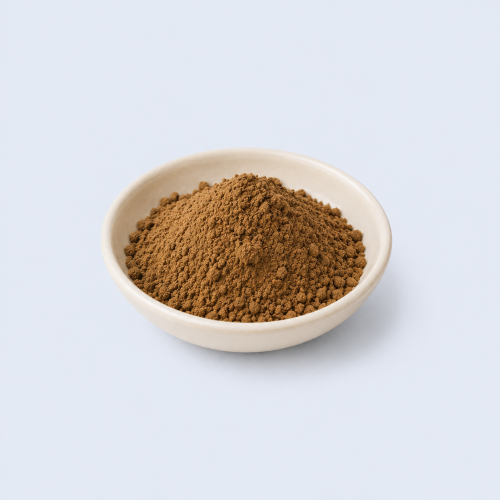
Hydrolysed insect protein, derived from Black Soldier Fly (Hermetia illucens) larvae, is an emerging protein ingredient in pet food formulation, valued for its sustainability profile, high digestibility, and novel-protein status. The hydrolysis process breaks down proteins into smaller peptides and free amino acids, improving solubility, digestibility, and palatability compared to non-hydrolysed insect meal.
Nutritional composition
Hydrolysed BSF protein typically contains 55–65% crude protein on a dry matter basis, with a well-balanced essential amino acid profile, including favorable levels of lysine and methionine relative to many plant-based proteins. The hydrolysis process increases the proportion of short-chain peptides and free amino acids, which are rapidly absorbed and support high digestibility scores relative to intact protein sources.
BSF-derived ingredients also naturally contain lauric acid, a medium-chain fatty acid with recognized antimicrobial properties, along with chitin, which can contribute prebiotic-like functional benefits depending on processing and inclusion level.
Functional and health-related properties
As a genuinely novel protein source for virtually all markets, hydrolysed insect protein is well suited to hypoallergenic and elimination diet formulations, where minimizing prior antigen exposure is the primary objective. Its hydrolysed form further reduces the molecular weight of residual proteins, supporting its use in formulations targeting animals with diagnosed food sensitivities.
The high digestibility and palatability associated with hydrolysed insect protein also support its use in formulations for sensitive digestion, puppies and kittens, and senior animals, where efficient nutrient uptake is a priority. Its favorable amino acid profile allows it to function as either a primary or complementary protein source depending on formulation strategy.
Formulation usability
Hydrolysed insect protein is typically supplied as a fine powder or liquid concentrate, depending on processing specification, and integrates into dry extrusion, wet, and semi-moist formulations. Its strong palatability profile makes it a useful tool for palatant systems and topical coatings, in addition to its role as a bulk protein source.
Inclusion rates depend on formulation objective, ranging from low levels as a palatability enhancer or functional additive, to higher levels in formulations positioned around insect protein or sustainability claims.
Sourcing and origin
Our hydrolysed insect protein is sourced from Black Soldier Fly production facilities in China, where the insect farming sector has scaled significantly in recent years, supported by growing technical expertise in larvae rearing, processing, and hydrolysis. Insect farming requires substantially less land, water, and feed input than conventional livestock protein production, making it one of the more resource-efficient protein sources available to the pet food industry.
All material is subject to quality control covering protein content, amino acid profile, fat, moisture, and microbiological parameters, in line with the specifications required for premium and super-premium pet food manufacturing. Certificates of analysis and relevant supporting documentation are available on request to support incoming quality assurance processes.
Market positioning
Insect-based proteins are one of the fastest-growing categories in pet food, driven by consumer and regulatory interest in sustainable protein sources, alongside their strong performance in hypoallergenic and novel-protein applications. Hydrolysed insect protein allows manufacturers to combine a compelling sustainability narrative with functional formulation advantages in digestibility and palatability.
We supply hydrolysed insect protein in bulk quantities suited to industrial pet food production, with flexible contract terms based on expected volumes and delivery schedules. Product specifications, samples, and current pricing are available on request through our procurement team.